FAQ
❓ Frequently Asked Questions
🥾 How far will we walk?
The full traverse is approximately 65 km over 5 trekking days. The main challenge is not only the distance, but the altitude, river crossings, long ascents and descents, cold nights and the isolation of the route.
⛰️ Do I need previous trekking experience?
Yes. This is not a technical climb, but it is a remote multi-day trek. You should be comfortable hiking for several hours per day, camping in basic conditions and dealing with altitude, cold and changing weather.
💪 How fit do I need to be?
You need good cardiovascular fitness. If you have already completed long hikes or multi-day treks, you are likely to enjoy this trip much more. The route can be challenging for people without regular aerobic training.
🎒 How much equipment will I have to carry?
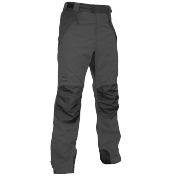
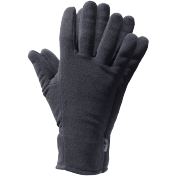
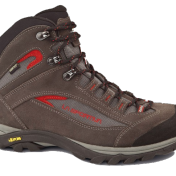
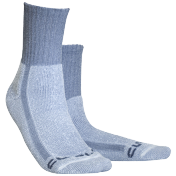
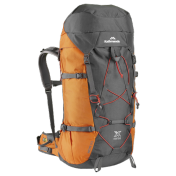
Mules carry up to 15 kg of personal equipment per participant during the mountain section. During the day, you only carry a daypack with water, snacks, warm layers, waterproof clothing, personal medication and items you need while hiking.
🌊 Will we cross rivers?
Yes. River crossings are part of the adventure. Depending on water levels and conditions, the guides will choose the safest way to cross. Participants should bring sandals or Crocs suitable for river crossings.
✈️ Where should I fly?
You should fly into Mendoza, Argentina, and fly out from Santiago, Chile. The program starts in Mendoza and ends in Santiago.
🏨 Are hotels included?
No. Hotels in Mendoza and Santiago are not included. This keeps the package more flexible, especially because participants may arrive earlier, leave later or prefer different accommodation standards.
⛺ Where do we sleep during the trek?
During the mountain section, we sleep in double tents in organized expedition-style camps. The structure is simple, but well organized, with dining tent, toilet tent and support from the mountain team.
👥 Do I have to share a tent?
Yes. Tents are normally shared by two participants. Private tent arrangements may be possible upon request, subject to availability and extra cost.
📡 Is there communication in the mountains?
Communication is limited in this remote region. The expedition team carries radio communication for safety and logistics. Personal phone signal should not be expected during most of the trek.
📲 Can my family receive updates?
When communication and logistics allow, the team can send updates from the expedition. However, communication depends on signal, safety priorities, satellite or radio access and the local situation on the mountain.
🚧 What happens if the pass is closed?
If weather, snow, river levels, road access or border procedures make the planned crossing unsafe or impossible, the expedition leader may modify the route or itinerary. Safety always comes first.
🚨 What happens if I abandon or quit the trek?
If you leave the expedition before the mountain section begins, cancellation conditions will depend on the timing and on the logistics already paid. If you leave after the group has departed Mendoza, any extra transport, accommodation, evacuation or individual logistics costs are not included and must be paid by the participant.
🐴 Can I ride a mule instead of walking?
The standard package is designed for participants who will walk the route. Riding a mule may be possible in some situations, but it is not included and depends on availability, terrain, local conditions and extra cost.
🛡️ Do I need travel insurance?
Yes. International travel insurance is required. It must cover trekking at altitudes up to at least 4,350 metres, as well as medical assistance and evacuation.
🛂 Do I need a passport?
You need a valid passport or a travel document accepted by both Argentina and Chile. You must also have entered Argentina legally, because the group will officially leave Argentina during the traverse. If your immigration situation is not regular, you may not be allowed to continue beyond the border control.
❄️ What sleeping bag do I need?
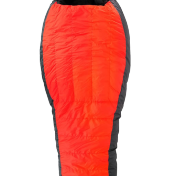
We recommend a sleeping bag with a comfort rating around -5ºC to -10ºC. Nights can be cold, especially at higher camps and during windy conditions.
🌦️ What is the weather like?
The expedition takes place during the Andean summer, but the weather in the mountains can change quickly. Days can be sunny and warm, while nights can be cold. Wind, storms and even snow are possible.
🥗 What if I have a special diet?
Please tell us in advance about any dietary restrictions. We will do our best to accommodate reasonable requirements, but very restrictive diets can be difficult in such a remote expedition environment. Participants with strict diets may need to bring some of their own food.
👨🍳 Who cooks during the traverse?
Meals during the mountain section are prepared by the expedition staff. Despite the remote setting, the food is organized to support long trekking days and cold nights.
💧 Is drinking water available?
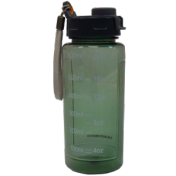
Yes. Drinking water is available or treated in the camps. Participants should still carry enough water capacity for each trekking day, usually 2 to 3 litres.
🧤 Can I rent equipment?
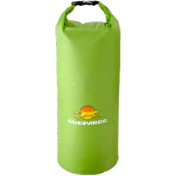
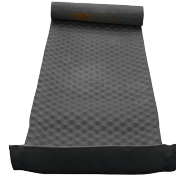
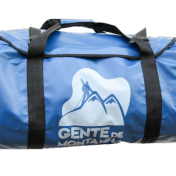
Some equipment can be rented in Mendoza, such as sleeping bags, trekking poles, duffel bags, mats and waterproof layers. Rental availability should be checked in advance.
🏃 What training do I need?
We recommend aerobic training before the trip, such as hiking, running, cycling or stair climbing. Hiking with a daypack is one of the best ways to prepare. Avoid overtraining or starting too late, as injuries before departure can compromise the trip.
🚑 What if I need to be rescued?
The guides will coordinate the safest possible response according to the situation, terrain, available support and local authorities. Rescue, evacuation, extra transport and accommodation costs are not included and must be covered by the participant or by their travel insurance.
🏨 Which hotels do you recommend in Mendoza and Santiago?
Hotels are not included in the package, but we can suggest convenient options in Mendoza and Santiago for participants who want to stay near the group or use the same hotels as the expedition team.