






🟢 These dates offer the best price — USD 3,980 per person — by joining an open group with other climbers.
Do you have a special date, a private group, specific requests, or would you like to remove or add services? Please visit the Cost tab, where you can customize your expedition options and send us a request.
If you cannot join on our set dates above, we also organize private expeditions between December 2026 and April 2027.
📩 Contact us to plan your custom trip and find the best date & rate for your group.
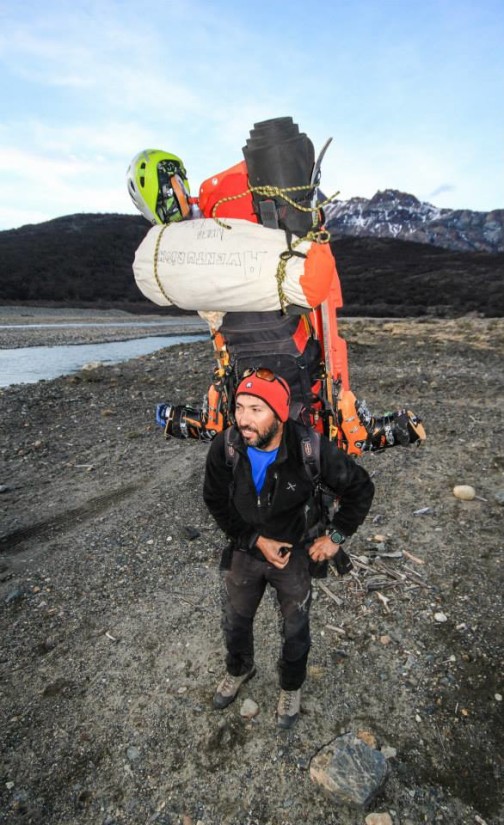
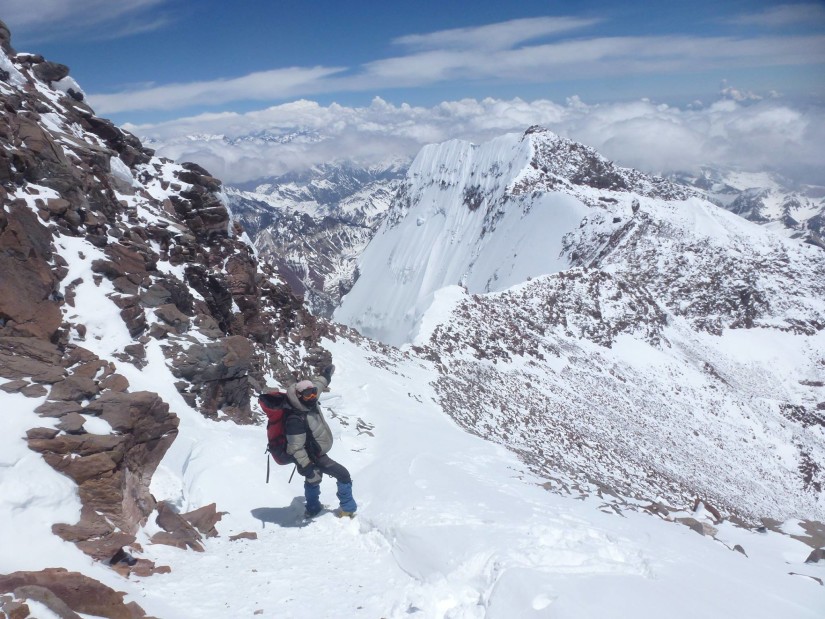
Ojos del Salado (6,898m) is the highest volcano in the world and the second tallest peak in the Andes — just 64 meters shorter than Aconcagua. Located on the Chile–Argentina border, it offers a unique mix of high altitude, stunning Atacama Desert scenery, and relatively easy access by 4WD up to 5,800m. This makes it one of the best non-technical 6,000ers to push your limits at extreme altitude — all while following an itinerary carefully crafted by record-holder Maximo Kausch, with over 90 summits above 6,000m across the Andes.
🧭 Experience Since 2012: We’ve been operating on Ojos del Salado for over a decade, with more than 25 successful ascents and many seasons of field experience in the region. Our itinerary has been refined year after year for better acclimatization, safer decisions and higher summit chances.
🏕️ Glamping Tents at Basecamp: At Laguna Verde we offer comfortable bedroom modules with real beds and mattresses — something unique in the area. We have shared twin-bed tents and single options. We know how important sleep is at altitude: poor sleep is one of the main symptoms of acute mountain sickness, so better rest means better recovery and a stronger summit attempt.
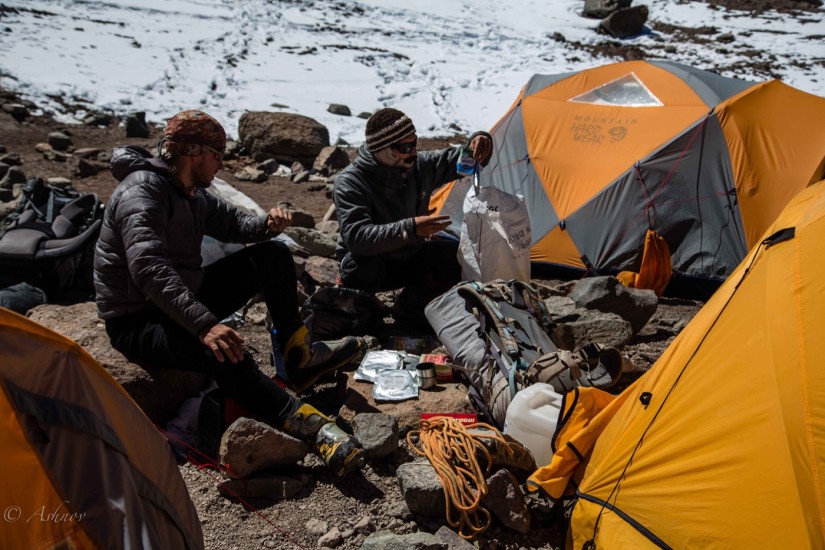
🛖 Exclusive Basecamp Infrastructure: We operate a private basecamp with a solid dining tent, kitchen, storage tent, ecological toilet system, shower, thousands of liters of clean water and a much calmer environment away from the main crowded camping area. This is the most complete and comfortable logistics setup in the Ojos del Salado region.
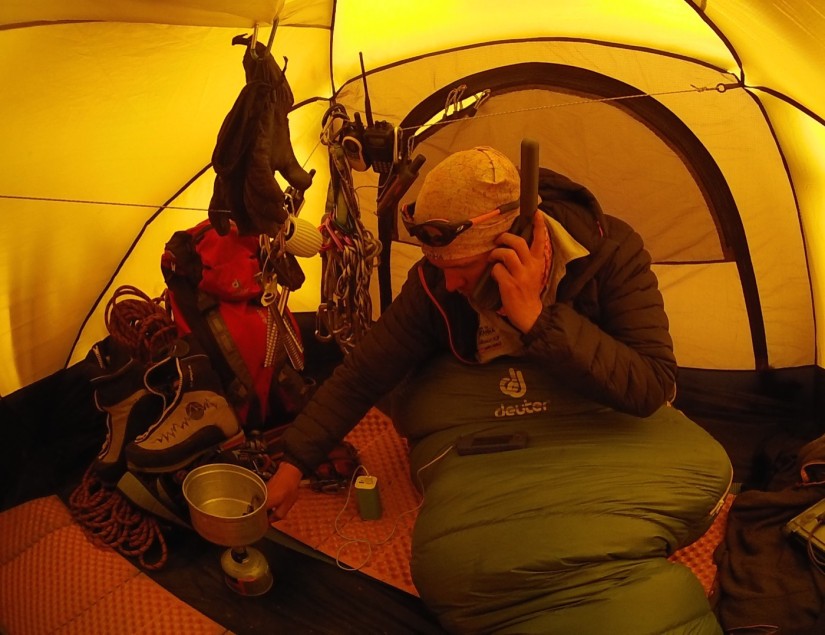
📡 Starlink, Power & Communication: We use two Starlink units: one fixed at basecamp and one mobile unit for field operations. This gives us real-time weather access, better communication and the ability to coordinate evacuations if needed. We also have solar panels and backup generators so clients can charge phones, cameras, GPS units and power banks.
👨🍳 Real Chefs at Altitude: For the last few seasons, we’ve had professional chefs based at camp preparing four meals per day. The quality of our food is one of the things clients praise the most, and it makes a real difference for recovery, morale and performance at altitude.
🗺️ Local Expertise: We’ve climbed every 6,000-meter peak in the region and know all possible acclimatization routes. Our deep knowledge allows us to adapt the program to weather, road conditions, group needs and summit opportunities in real time.
📊 Proven Acclimatization Strategy: We track oxygen saturation throughout the expedition and consistently see excellent results. Instead of sleeping unnecessarily high, we use a climb-high/sleep-lower strategy with several progressive ascents, helping clients arrive at summit day strong and well-acclimatized.
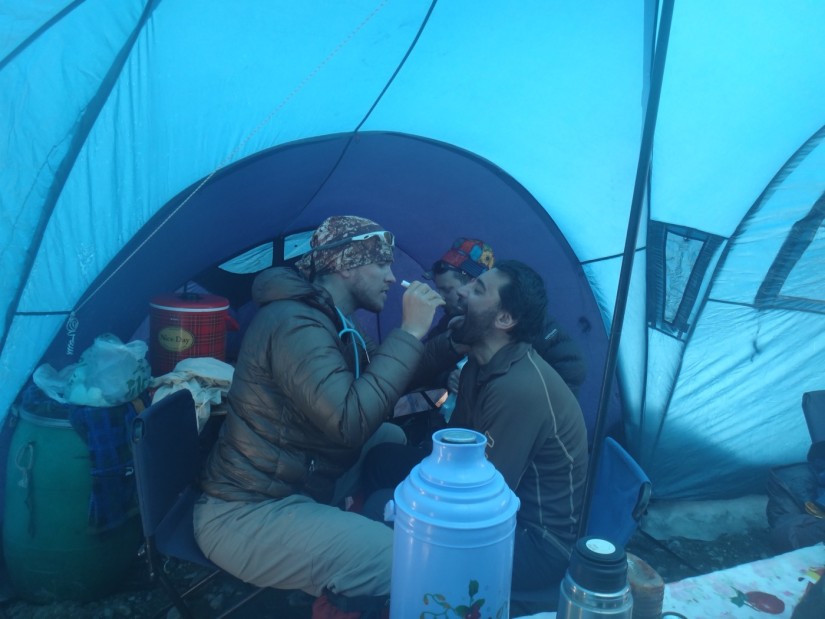
🩺 Medical Expertise & Daily Health Checks: Our guides are highly trained in high-altitude medicine — and Maximo Kausch himself teaches it to doctors. We conduct daily health checks every afternoon, carry medical oxygen, including on summit day, and focus on prevention. Thanks to this approach, we’ve had no severe altitude-related incidents in years.
🧑🤝🧑 Best Guide-to-Client Ratio: On summit pushes, we usually have 1 guide for every 2 to 2.5 clients — significantly better than the industry average.
🌍 World-Class Guides: Our guides don’t just work in Chile. They also guide in the Himalayas, Aconcagua, Bolivia, and other high-altitude destinations worldwide.
🔄 AndesFlex Program: You choose which peaks to climb — including Ojos del Salado — and pay only for the ones you do. Maximum flexibility, no wasted budget.
🎯 Join us for an unforgettable high-altitude adventure across the Atacama — one of the driest and most majestic landscapes on Earth!
We’ll greet you at the airport, approximately 50 km from Copiapó. On the same day,
we’ll review your personal gear, make final adjustments, and shop for anything
necessary. Tonight, enjoy our first group dinner and meet your teammates!
Included: Transport, hotel 🛏️
After a scenic 210 km drive, we’ll settle into a cozy mountain hut next to the
stunning salty Laguna Santa Rosa.
Included: Breakfast, transport, lunch, dinner
Today we tackle Siete Hermanas! Depending on the group’s fitness level, we aim
for the summit or go as high as comfortably possible to support acclimatization.
Included: Breakfast, lunch, dinner
After a generous breakfast, we’ll drive 120 km to our private basecamp at Laguna
Verde. Our comfortable camp includes Starlink internet, a generator, dining tent,
kitchen, toilets, and showers.
Included: Breakfast, lunch, dinner
Another important acclimatization day climbing Mulas Muertas, situated close to
camp. We’ll keep it relaxed, ascending comfortably without straining our bodies.
Included: Breakfast, lunch, dinner
Rest, recharge, and enjoy the beautiful views at Laguna Verde.
Included: Breakfast, lunch, dinner
We’ll drive up to approximately 5,900m, followed by a short hike reaching up to
6,000–6,100m. This crucial acclimatization ensures we’re ready for Nevado San
Francisco and Ojos del Salado.
Included: Breakfast, lunch, dinner
Another day to rest and prepare mentally and physically for the climbs ahead.
Included: Breakfast, lunch, dinner
After an early breakfast, we’ll gear up and drive 30 minutes to start our climb
at 5,000m. This challenging yet rewarding climb via the north ridge takes around
5–7 hours. A successful summit boosts confidence and acclimatization for Ojos
del Salado!
Included: Breakfast, packed lunch, transport, dinner
Rest and recover from yesterday’s climb, enjoying tranquility at Laguna Verde.
Included: Breakfast, lunch, dinner
Our ultimate goal! Starting around midnight, we embark on a 3-hour drive followed
by a 7–9 hour ascent. We’ll traverse switchbacks, navigate a large traverse at
6,500m, reach the main crater, and conquer the final steep and technical section.
Celebrate reaching the top of the highest volcano on Earth!
Included: Opportunity of a lifetime!
Drive back to Copiapó and rest after our epic adventure.
Included: Transport, hotel 🏨
Buffer day for unforeseen circumstances or extra recovery.
Included: Breakfast, lunch, dinner
Fly home, carrying memories of an incredible experience!
Included: Hotel breakfast, airport transfer
Having reliable mountaineering equipment is essential for a successful expedition. All personal gear will be carefully checked by one of our guides at the hotel. Equipment rental is available in Copiapó; please inform us in advance about your requirements, so we can confirm availability and pricing.
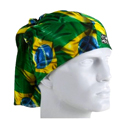
Hat or cap
For sun protection
Bandana
Buff or similar
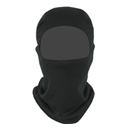
Balaclava
To protect your face on summit push
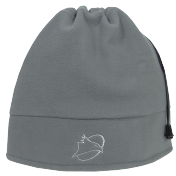
Hat
Woollen hat or similar for cold days
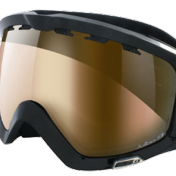
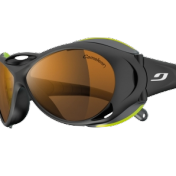
Ski goggles
UV protection goggles to be used during storms or very cold conditions
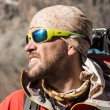
Sunglasses (cat 3 or 4)
With side protection to fit your face
Sunscreen and lip balm
30 FPS or more
Batteries
AA or AAA batteries depending on your headtorch. Can be purchased in local store.
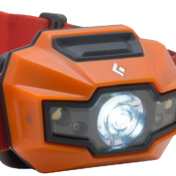
Headtorch
Working headtorch and spare batteries
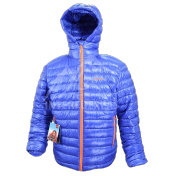
Light down jacket
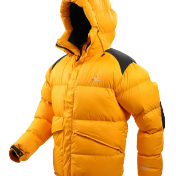
Summit Down Jacket
Heavy hooded down jacket for cold conditions
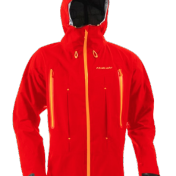
Snowproof jacket
A good snow, rain and windproof jacket
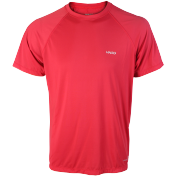
T-shirt
Synthetic fibre long or short sleeve t-shirt
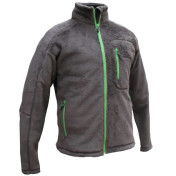
Fleece jacket
Used alone or as part of a layer system for better performance
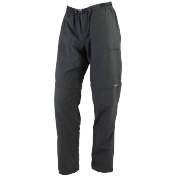
Trekking pants
Light trekking pants
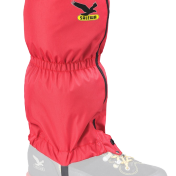
Gaiters
For snow, sand or scree terrain
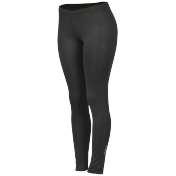
Base layer pants
For very cold days and summit push
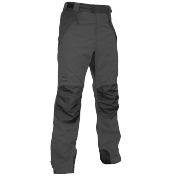
Snowproof pants
Goretex or similar pants will be used for high wind or during snow conditions
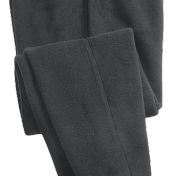
Fleece Pants
Fleece, polartec or similar. To be used with other layers for very cold conditions
Hand warmers
Chemical hand warmers for the summit push.
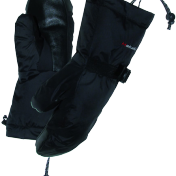
Mittens
Thick down mittens for summit push
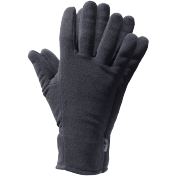
Gloves
Fleece or polartec gloves for every day use
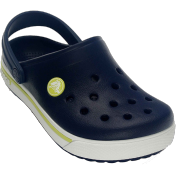
Sandals or crocs
Sandals or crocs for river crossing or hanging around camp
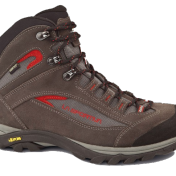
Trekking boots
Waterproof trekking boots, try wearing them before the expedition
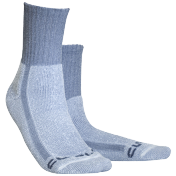
Trekking socks
Good thick trekking socks
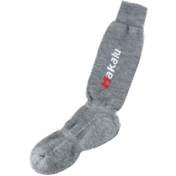
Thick expedition socks
For summit day
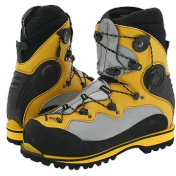
Double boots
A pair of double or double plastic boots such as Koflach Exped, Koflach Vertical, Asolo Ottomilla, Asolo AFS, Trezetta, Scarpa Vega, Scarpa Inferno, La Sportiva Baruntse, Olympus Mons, La Sportiva Spantik, Scarpa Phantom, La Sportiva G2.
Single layer boots such as La Sportiva Nepal XT, EVO, Batura or Boreal Latok, ARE NOT SUITABLE.
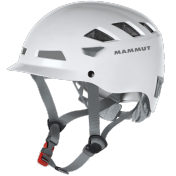
Helmet
A light helmet with enough room for your clothing
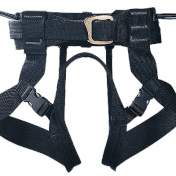
Harness
A good light alpine harness
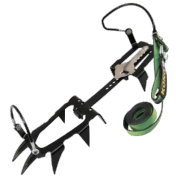
Crampons
Crampons with antibott system
Carbo gels
These gels help out on recovery
Snacks
Salty snacks, sweets, etc. Any sort of tasty ready food as complement. On high altitude mountains we don’t normally worry about vitamins and proteins as these kinds of food are too hard to digest. You can buy all these in a local market.
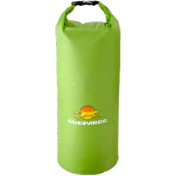
Stuff sacks or bin bags
Helps to keep your stuff dry and organised
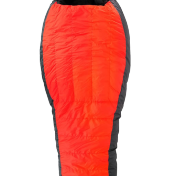
Sleeping Bag
A good down sleeping
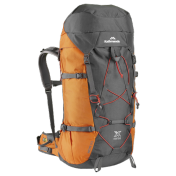
Rucksack
A decent rucksack with hip belt and rain cover
Altitude medicine
Our guides already have pretty much any drugs you might need during any trip. However, it would be great if you could have a spare tab of the most used drugs:
Ibuprofen (Advil)– This is an anti-inflammatory and works great for high altitude head aches
Loperamide (Imodium) – controls diarrea (not to be used in case of digestive infections. Ask our guides)
Personal Hygiene kit
Soap, tooth brus, come, etc
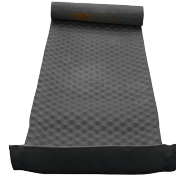
Sleeping mattress
We prefer taking 2 foam sleeping mattress because of sharp rocks. If you have an inflatable mattress you should also bring a foam mattress to protect the inflatable one against sharp rocks. Don’t forget bringing a repair kit if you have an inflatable mattress.
1 litre thermos
Metallic good quality 1 litre thermos for the summit push. You must have one. Please do not bring smaller ones.
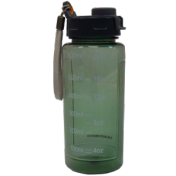
Water bottle
Nalgene 1 litre bottles or similar are great for expeditions! We prefer to not use camelbacks as its hose pipe might freeze
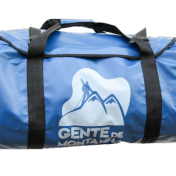
Duffel Bag
Used to transport or store your equipment. In many cases, we transport your personal gear on animals and we don’t want your equipment to get wet or have mule smell…
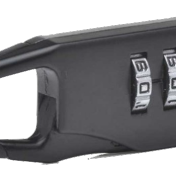
Padlock
To lock your duffel during transportation
Trekking poles
Gives you more stability during walk and summit push.
They are completely different mountains, but when we list the pros and cons, they often balance out — and Ojos can even be harder in some aspects. While Aconcagua involves carrying weight and long hikes, Ojos del Salado is more accessible by 4WD. Ironically, that’s part of the challenge: you can’t acclimatize properly sitting in a car. That’s why we climb several peaks beforehand. The summit push on Ojos can be very cold — colder than Aconcagua in around 60% of our expeditions. And unlike Aconcagua, where you may meet hundreds of people, Ojos is very isolated. That psychological factor makes it demanding too.
The best option is to fly first to Santiago, Chile, usually via LATAM, and then take a connecting flight to Copiapó. This second flight can often be inexpensive. Alternatively, consider searching for direct flights from your home country to Copiapó, as LATAM sometimes offers cheaper connections.
We only use Laguna Santa Rosa Hut for two nights at the beginning of the expedition. It is privately owned and is the only proper service provider in that area. We do not rely on the other huts for accommodation. At Laguna Verde, our basecamp has its own comfortable bedroom modules and glamping-style tents with beds and mattresses. Tejos Hut is only kept as an emergency option, not as part of our regular sleeping plan.
Yes, essential gear can be rented in Copiapó, but availability must be requested in advance. Rental prices for the full 14-day expedition are: foam sleeping matt ($35), down jacket ($130), La Sportiva double boots ($170), down mittens ($70), crampons ($70), climbing helmet ($45), ice axe ($55), sleeping bag ($105) and harness ($35). Renting the full set costs $715.
No, not in the same way. International travel and medical insurance is mandatory, but standard rescue insurance is often not very useful in the Ojos del Salado region. Helicopter evacuations are difficult because of strong winds, altitude and border-area flight permissions, which can take too long. If evacuation is needed, we normally do it by 4WD. From Laguna Verde, a person can usually be driven down to Copiapó in about four hours. As of 2026, we have never had to rescue one of our own clients, but we have assisted people from other groups. We are one of the few operations in the region with vehicles, oxygen, communication and real rescue capacity.
We have refined our acclimatization plan over many years and more than 25 Ojos del Salado ascents. Most companies sleep higher, often near Tejos, but we found that sleeping too high too soon can actually damage recovery and hurt acclimatization. Sleeping at around 5,850m is extremely demanding and usually requires much more time to do safely. Instead, we use a climb-high/sleep-lower strategy with five progressive ascents during the expedition. We climb, descend, recover, climb again and descend again. Over the last four years, this system has consistently improved our clients’ oxygen saturation and summit chances.
Yes, and that’s our goal — but the focus is optimal acclimatization, not ticking summits. The itinerary includes peaks like Siete Hermanas and Mulas Muertas, but the most significant is Mt. San Francisco (6,023m), which most climbers summit before attempting Ojos del Salado. Depending on weather and group condition, not all acclimatization summits may be completed.
Absolutely. You can initially sign up only for Mt. San Francisco, our first 6,000-meter climb. After reaching its summit, you can decide whether to proceed to Ojos del Salado and pay the difference. We even have a flexible itinerary option for this called Andes Flex.
Not really. There is a short rock section just below the summit, but it is an easy scramble. Nothing technical and nothing to worry about — no ropes or special climbing gear are normally needed.
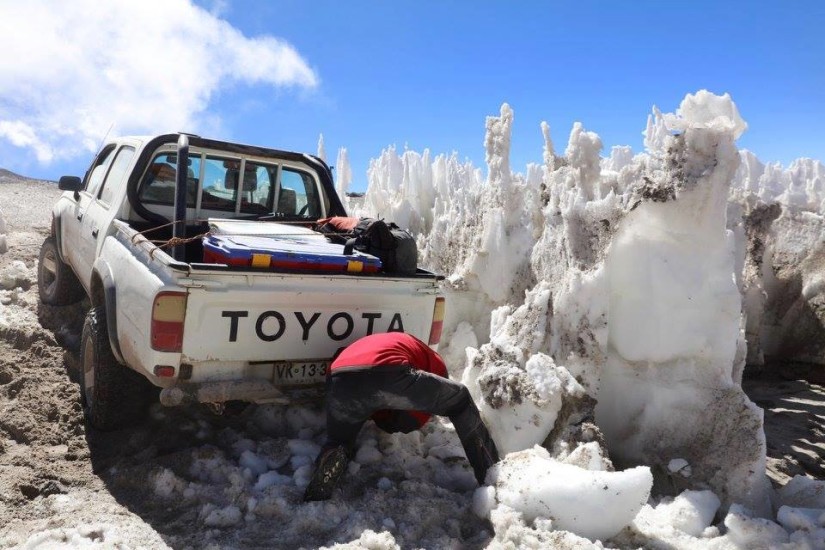
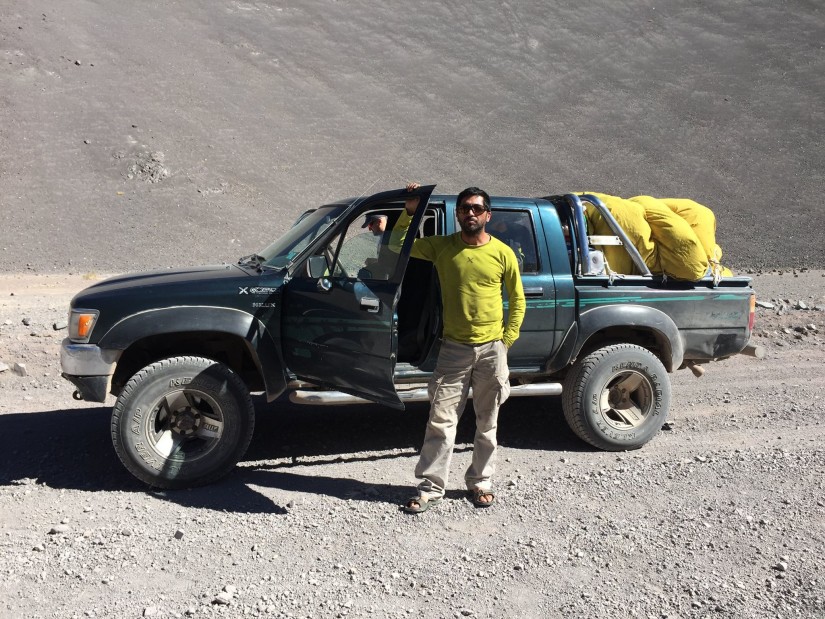
Porter services are not available in this remote region, but they’re not needed. Our 4WD vehicles carry most gear up to 5,800 meters, greatly reducing the weight you need to carry.
Yes. We have solar panels and backup generators at basecamp so you can charge your phone, camera, GPS, power bank or other electronics.
Yes. There are exchange offices that accept USD, Euros, and British pounds. The best rates are typically for US dollars.
Yes. Our basecamp has two Starlink internet units: one fixed at camp and one mobile unit for field operations. This improves safety because we can check real-time weather updates and coordinate logistics or evacuations if necessary. We also carry satellite communication for emergencies or urgent communication throughout the expedition.
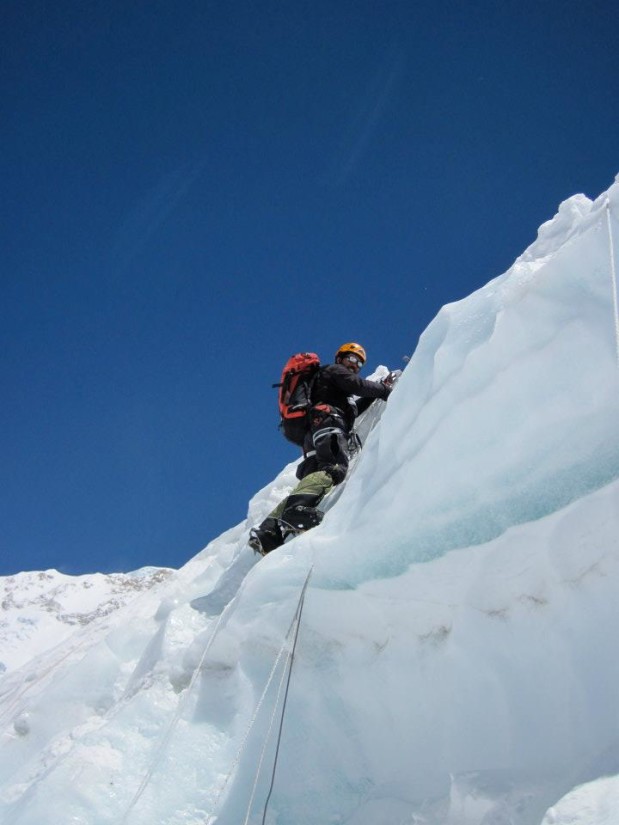
Not quite. While most of the ascent is non-technical, the final 10–15 meters are steep and usually equipped with a fixed rope for safety. The high altitude and unpredictable weather also make the climb physically and mentally demanding — this is not a regular hike.
Language skills:
| English - native speaker |
| Spanish - native speaker |
| Portuguese - native speaker |
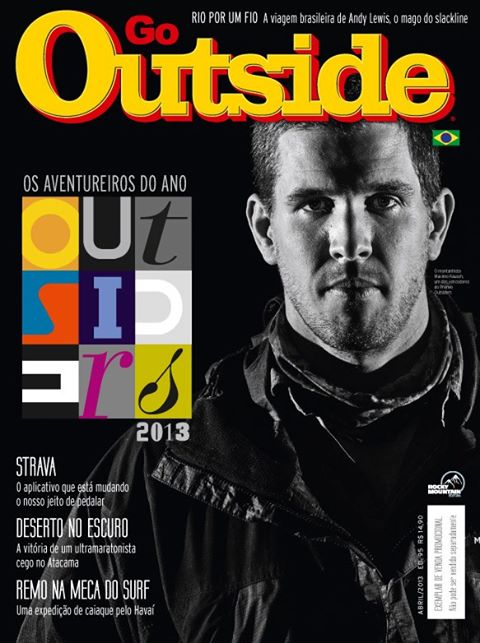
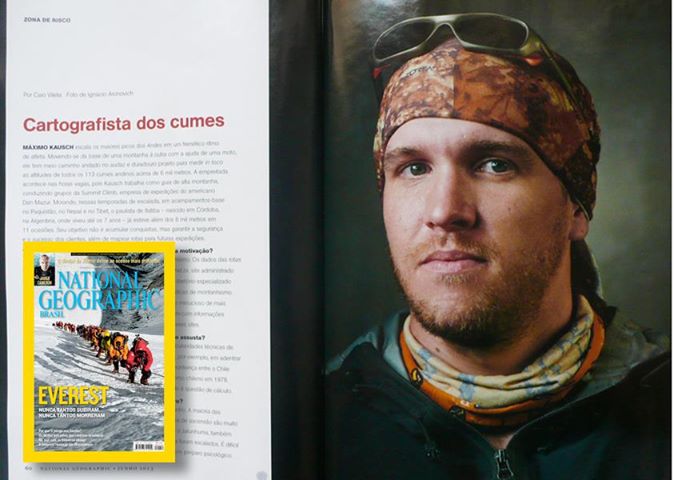
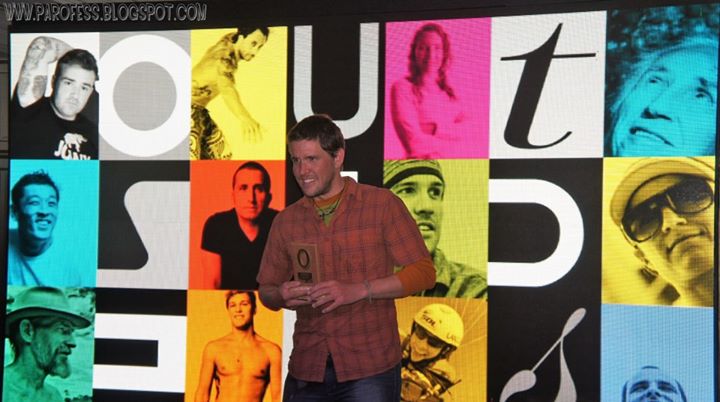
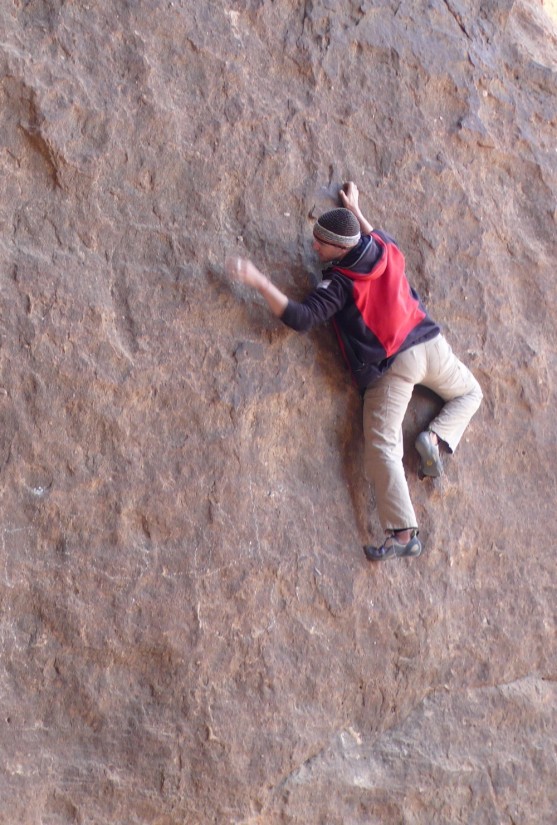
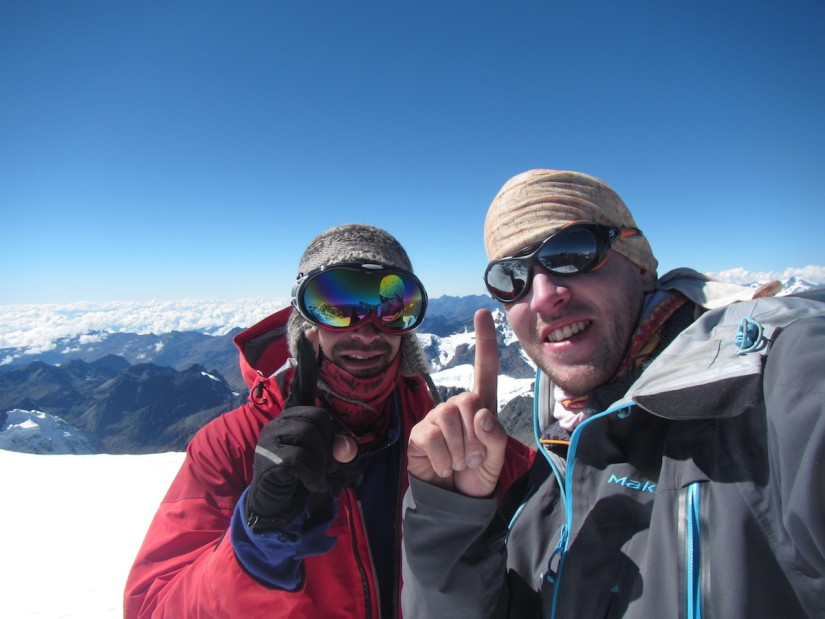
Maximo Kausch is one of the most accomplished and experienced high-altitude mountaineers in the world. Born in Argentina, raised in Brazil, and educated in the UK, he has been climbing for over 25 years and guiding professionally since the age of 23. He has led more than 118 expeditions, many to extreme altitude regions across the Andes, Himalayas, and beyond.
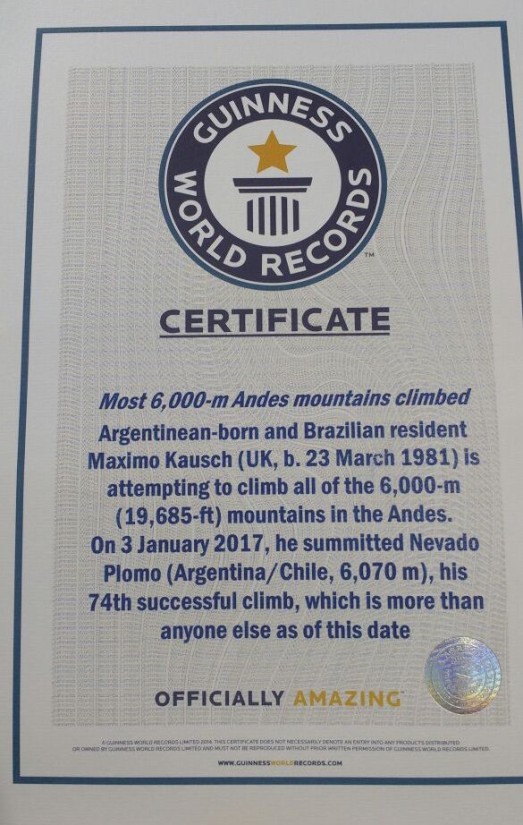
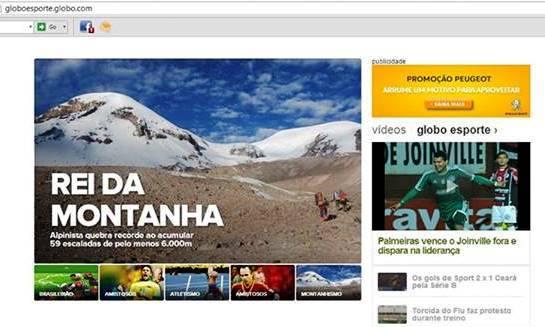
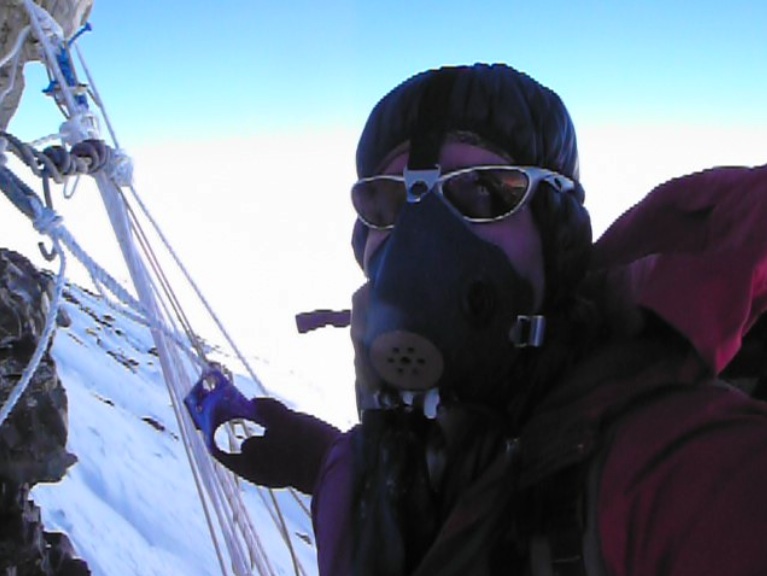
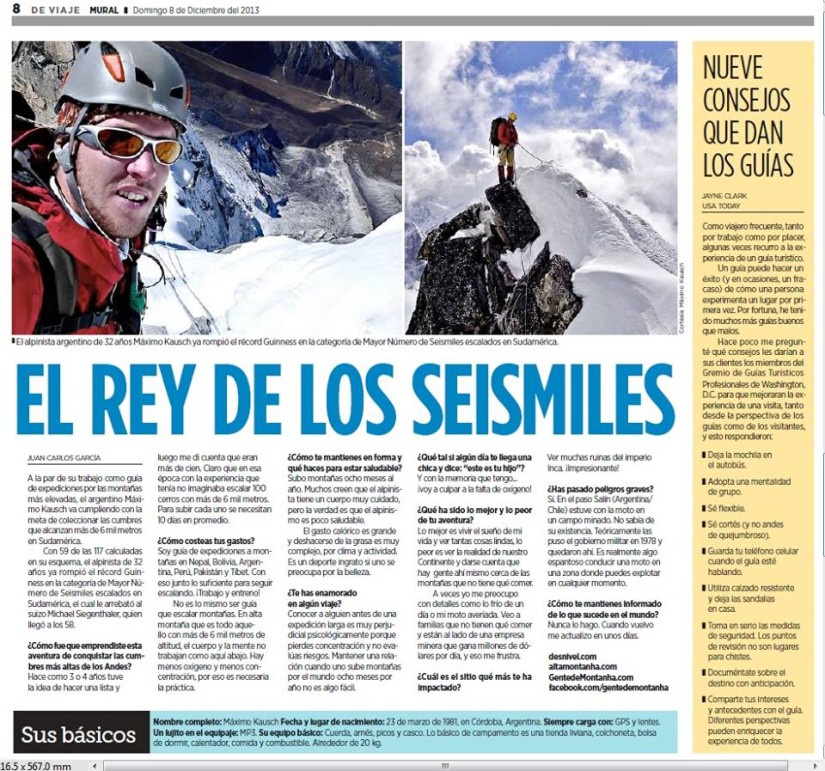
Recognized by Guinness World Records, Maximo holds the record for the most 6,000-meter peaks climbed—90 in the Andes alone—and has summited over 260 peaks above 5,500 meters. He’s participated in at least 11 expeditions to 8,000-meter peaks, including the formidable K2 in Pakistan.
In 2012, Max launched the Andes 6K+ Project, aiming to climb all 104 Andean peaks over 6,000 meters. To date, he has completed 85% of the challenge, including a solo season where he climbed 30 of these peaks alone—an unprecedented feat in South American mountaineering.
Beyond guiding, Max researches high-altitude medicine, teaches courses for physicians, and contributes to the classification and naming of Andean peaks. Known for his calm approach and meticulous planning, he emphasizes safety and acclimatization in every expedition.
Founder of Andes Specialists, Max shares his passion with climbers from all backgrounds. He’s visited over 30 countries, always seeking out remote and challenging mountains. Despite the records, Max remains focused on learning and sharing his love for the mountains with humility and dedication.
More about Maximo Kausch
World Record on 6000 metre peaks
Language skills:
| English - Good command |
| Spanish - native speaker |
| Portuguese - Good command |
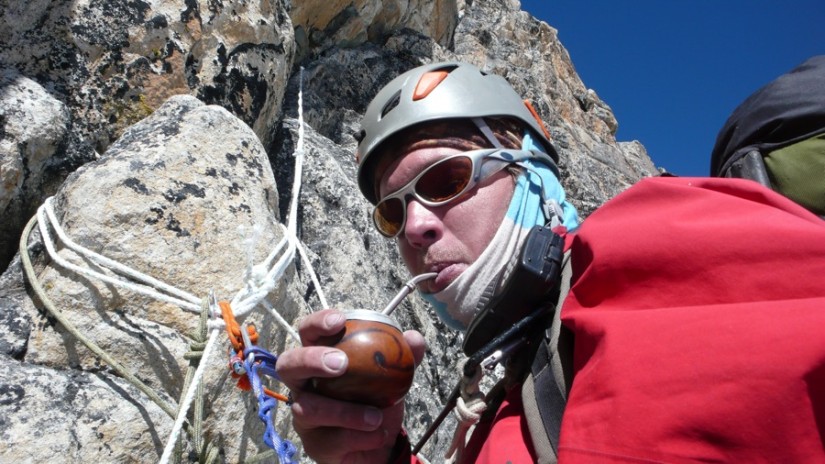
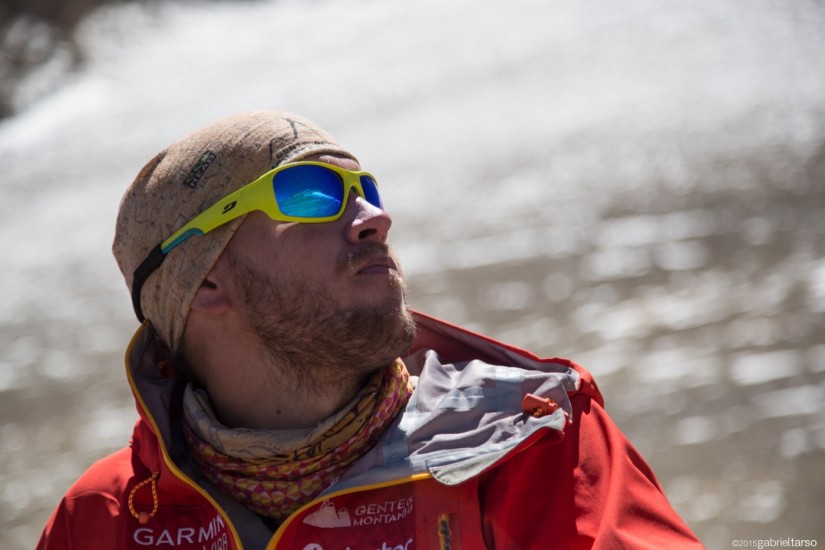
Jorge Spur was born in Trelew, a city in the province of Chubut, in Argentine Patagonia, near the sea. At the age of 12, his family moved to Epuyen, a small town nestled in the mountains of Northern Patagonia. It was in this environment that Jorge began to explore and climb mountains from an early age. At 15, a physical education teacher introduced him to the fundamentals of hiking through the forests and mountains of the region.
He earned his Trekking Guide certification in 2011 and became a certified Mountain Guide in 2013 through the Provincial School of High Mountain and Trekking Guides in Mendoza. Over the course of his career, Jorge has climbed various mountains in Patagonia, the Central Andes, Bolivia, and Brazil.
Since 2015, Jorge has been working as a guide with Gente de Montanha, where he is also responsible for expedition logistics during the summer season in Argentina. During the rest of the year, he returns to Epuyen, where he dedicates himself to mountaineering, climbing, trekking, kayaking, and cycle touring—always planning his next adventure.
Throughout his career, Jorge has led more than 25 expeditions to Mount Aconcagua, completed over 42 expeditions to mountains above 6,000 meters, and helped more than 150 people achieve their mountaineering dreams. He has been guiding for Gente de Montanha for over 10 years.
Language skills:
| English - good command |
| Spanish - native speaker |
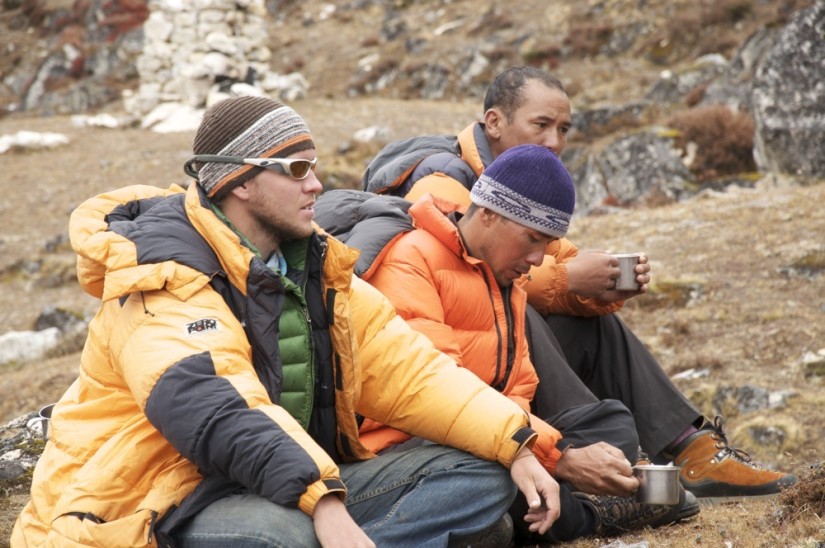
Mario Sepúlveda Palma is a renowned Chilean high-altitude mountain guide and the leading expert on expeditions in the Atacama region. He currently holds the record for the most ascents of Ojos del Salado — the world’s highest volcano — with over 60 successful summits. With a guiding career that began in 2001, Mario has led expeditions across much of the Andes, with a strong focus on the remote and challenging terrain of the Atacama Andes. His extensive local knowledge, combined with his calm leadership, has made him a trusted figure in high-altitude expeditions.
Mario’s mountaineering résumé includes a remarkable ascent of Kangchenjunga (8,598 m) in Nepal, completed without supplemental oxygen or the support of sherpas, showcasing his technical skills and endurance at the highest level. In addition to guiding, Mario is a highly skilled ski mountaineer who has represented Chile in international ski touring competitions, including world championships and South American events.
Today, Mario serves as Head of Operations and Safety on the Chilean side of Ojos del Salado, where his deep experience and commitment to safety continue to benefit climbers from around the world. Whether you're aiming for a high-altitude summit or exploring the vast Atacama, Mario is the guide you want by your side.