Trekking over the Andes – Mendoza to Santiago - 7 days

About

Trekking over the Andes – Mendoza to Santiago - December until March

🥾 A 65 km crossing of the Central Andes

The Mendoza to Santiago Traverse is a 65 km trekking expedition across the Central Andes, connecting Argentina and Chile through a remote mountain corridor between Mendoza and Santiago. Over 5 trekking days, we cross wild valleys, rivers and two high mountain passes above 4,000 metres, travelling through one of the most spectacular and least visited areas of the Andes.

This is not a technical climb, but it is a real mountain expedition. The main challenge is not the distance alone, but the altitude, the isolation, the long ascents and descents, the river crossings, cold nights and the fact that there is no easy exit once the traverse has started. Good fitness and previous trekking experience are strongly recommended.

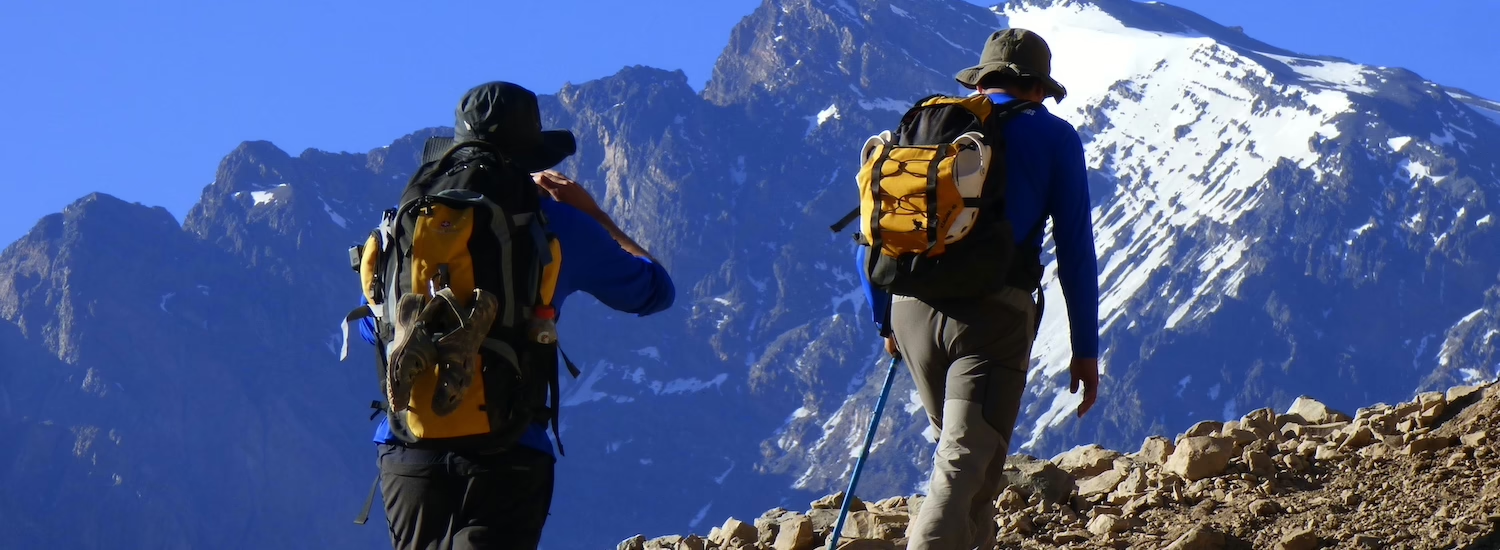
During the expedition we camp under the stars, travel with local arrieros and mules, and follow a route with deep historical significance. The mules carry the heavy equipment, so participants hike only with a daypack. This allows trekkers to enjoy the route with less weight, while still experiencing the full feeling of a remote Andean crossing.


📜 Historical background

The crossing of the Andes led by General José de San Martín in 1817 is considered one of the great military achievements in South American history. His army crossed several high mountain passes, including the Portillo Argentino and Paso Piuquenes region, surprising Spanish forces in Chile and contributing decisively to Chilean independence.

For the Brazilian market, this route is often known as “Cruce de los Andes”. In English, we present it as the Mendoza to Santiago Traverse, because it better explains what the journey actually is: a complete high-altitude trekking route from Argentina to Chile.


🦙 Landscape and wildlife

The landscape is wild, dry and dramatic, with high mountain passes, glacial rivers, remote valleys and views of major Andean peaks, including Marmolejo at 6,108 metres. Because this area receives very few visitors, it is also possible to see guanacos, condors, foxes, hares and other Andean wildlife.


✅ Who is this trek for?

  • 🥾 Trekkers with previous experience on long hikes or multi-day routes;
  • 💪 People with good cardiovascular fitness;
  • ⛺ Participants comfortable with camping and basic mountain logistics;
  • 🌎 Travellers looking for a remote, non-technical Andes crossing;
  • ❄️ People prepared for cold nights, river crossings and isolated terrain.

📌 Requirements

  • 💪 Good health and fitness for multi-day trekking;
  • 🥾 Previous trekking experience strongly recommended;
  • 🛡️ International travel insurance covering trekking up to at least 4,350 metres;
  • 🛂 Valid passport or travel document accepted by Argentina and Chile;
  • 📄 Legal entry status in Argentina, as the group must officially leave the country during the traverse;
  • 🧭 Respect for the expedition leader’s safety decisions.

Participants must carry the original travel document used to enter Argentina. If your immigration status in Argentina is not regular, you may be unable to pass the border control and continue to Chile.

Itinerary

Trekking over the Andes – Mendoza to Santiago - 7 days

🗓️ Itinerary – Mendoza to Santiago Traverse

This is a 7-day program, with 5 days in the mountains. The itinerary may change due to weather, road access, river conditions, border procedures, group performance or any safety-related decision made by the expedition leader.


📍 Day 1 – Arrival in Mendoza

Arrival in Mendoza, Argentina. Today we meet the group, check equipment and help with rentals or last-minute purchases if needed. In the evening, we usually have a group dinner in Mendoza.

Included: equipment check and expedition briefing.

Meals included: none.

Accommodation: not included.


🚐 Day 2 – Mendoza to Yaretas – 3,450 m

In the morning, we drive from Mendoza towards Refugio Portinari, at approximately 2,500 metres, where we complete the Argentine border and customs procedures. We then continue towards the Yaretas area, where we meet the arrieros and mules and spend our first night in the mountains.

Included: transport, trail lunch/snack, drinks and dinner.

Accommodation: camping.


🥾 Day 3 – Trekking to La Olla – 3,200 m

Today is one of the longest and most demanding trekking days. We hike for around 9 hours towards the Río Blanco, a beautiful river valley surrounded by mountains over 5,000 metres. We cross the impressive Portillo Argentino pass at approximately 4,350 metres. If conditions allow, we may use 4×4 vehicles to approach as high as possible before starting the hike.

Included: breakfast, trail lunch and dinner.

Accommodation: camping.


🏕️ Day 4 – Trekking to El Caletón – 3,100 m

We continue to El Caletón, an impressive rock shelter protected from the wind, with views towards Marmolejo, one of the most beautiful 6,000-metre peaks in the region. The trekking time is approximately 6 hours.

Included: breakfast, trail lunch and dinner.

Accommodation: camping.


⛰️ Day 5 – Hike to the base of Marmolejo – 3,500 m

Today we hike towards the base of Marmolejo, a major Andean mountain reaching 6,108 metres. The hike takes approximately 4 hours round trip. We return to sleep at the Caletón camp.

Included: breakfast, trail lunch and dinner.

Accommodation: camping.


🇨🇱 Day 6 – Trekking to Termas del Plomo and transfer to Santiago – 600 m

Our final trekking day takes us over Paso Piuquenes, at approximately 4,000 metres, where we finally cross the border into Chile. We descend towards Termas del Plomo, where our transport will be waiting with a welcome snack. If time and conditions allow, we can relax in the hot springs before driving to Santiago. Expect around 8 hours of walking and approximately 3 hours by road.

Included: breakfast, trail lunch/snack and transport to Santiago.

Accommodation: not included.


✈️ Day 7 – Departure from Santiago

End of services in Santiago. Participants can fly home or continue their trip in Chile.

Meals included: none.

Accommodation: not included.


⚠️ Important notes

  • This itinerary may be modified due to weather, access, border procedures, river levels, safety concerns, group performance or any other factor that may affect the expedition logistics.
  • Participants should arrive in Mendoza on Day 1 and book their return flight from Santiago no earlier than Day 7.
  • This is a remote crossing, and once the expedition begins there is no simple exit in the middle of the route.

Equipment

Having good mountaineering equipment is one of the key points to have a safe and enjoyable trek. Please note all your personal equipment will be checked by one of our guides in the hotel. You can easily rent or purchase all necessary mountaineering equipment in Mendoza. Find out rental prices in our FAQ.

Head
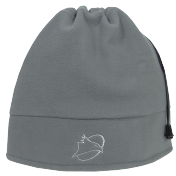
  • Bandana

    Bandana

    Buff or similar

  • Hat

    Hat

    Woollen hat or similar for cold days

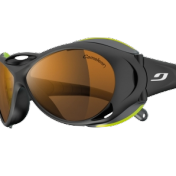
  • Sunglasses (cat 3 or 4)

    Sunglasses (cat 3 or 4)

    With side protection to fit your face

  • Sunscreen and lip balm

    Sunscreen and lip balm

    30 FPS or more

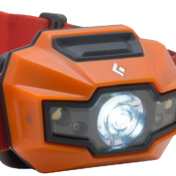
  • Headtorch

    Headtorch

    Working headtorch and spare batteries

Torso
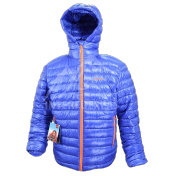
  • Light down jacket

    Light down jacket

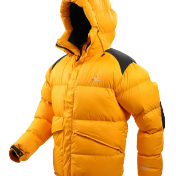
  • Summit Down Jacket

    Summit Down Jacket

    Heavy hooded down jacket for cold conditions

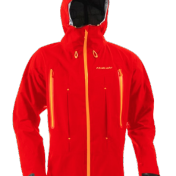
  • Snowproof jacket

    Snowproof jacket

    A good snow, rain and windproof jacket

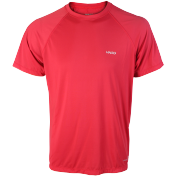
  • T-shirt

    T-shirt

    Synthetic fibre long or short sleeve t-shirt

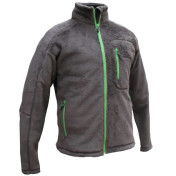
  • Fleece jacket

    Fleece jacket

    Used alone or as part of a layer system for better performance

Legs
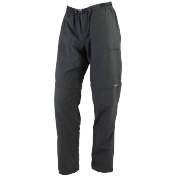
  • Trekking pants

    Trekking pants

    Light trekking pants

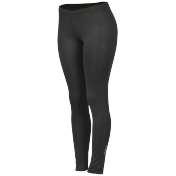
  • Base layer pants

    Base layer pants

    For very cold days and summit push

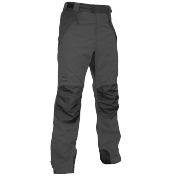
  • Snowproof pants

    Snowproof pants

    Goretex or similar pants will be used for high wind or during snow conditions

Hands
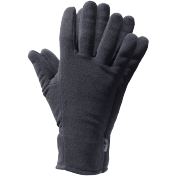
  • Gloves

    Gloves

    Fleece or polartec gloves for every day use

Feet
  • Sandals or crocs

    Sandals or crocs

    Sandals or crocs for river crossing or hanging around camp

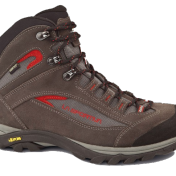
  • Trekking boots

    Trekking boots

    Waterproof trekking boots, try wearing them before the expedition

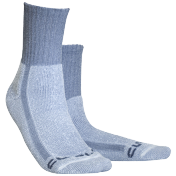
  • Trekking socks

    Trekking socks

    Good thick trekking socks

Other Equipment
  • Water purifying tables/drops

    Water purifying tables/drops

    A reliable way to treat water

  • Carbo gels

    Carbo gels

    These gels help out on recovery

  • Snacks

    Snacks

    Salty snacks, sweets, etc. Any sort of tasty ready food as complement. On high altitude mountains we don’t normally worry about vitamins and proteins as these kinds of food are too hard to digest. You can buy all these in a local market.

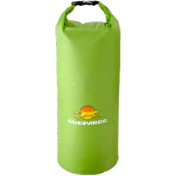
  • Stuff sacks or bin bags

    Stuff sacks or bin bags

    Helps to keep your stuff dry and organised

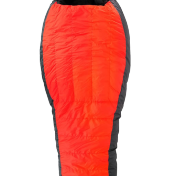
  • Sleeping Bag

    Sleeping Bag

    A good down sleeping

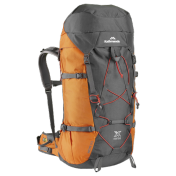
  • Rucksack

    Rucksack

    A decent rucksack with hip belt and rain cover

  • Altitude medicine

    Altitude medicine

    Our guides already have pretty much any drugs you might need during any trip. However, it would be great if you could have a spare tab of the most used drugs:

    Ibuprofen (Advil)– This is an anti-inflammatory and works great for high altitude head aches
    Loperamide (Imodium) – controls diarrea (not to be used in case of digestive infections. Ask our guides)

  • Personal Hygiene kit

    Personal Hygiene kit

    Soap, tooth brus, come, etc

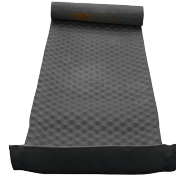
  • Sleeping mattress

    Sleeping mattress

    We prefer taking 2 foam sleeping mattress because of sharp rocks. If you have an inflatable mattress you should also bring a foam mattress to protect the inflatable one against sharp rocks. Don’t forget bringing a repair kit if you have an inflatable mattress.

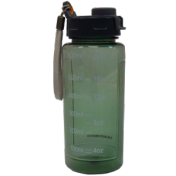
  • Water bottle

    Water bottle

    Nalgene 1 litre bottles or similar are great for expeditions! We prefer to not use camelbacks as its hose pipe might freeze

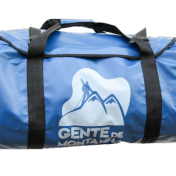
  • Duffel Bag

    Duffel Bag

    Used to transport or store your equipment. In many cases, we transport your personal gear on animals and we don’t want your equipment to get wet or have mule smell…

  • Padlock

    Padlock

    To lock your duffel during transportation

  • Trekking poles

    Trekking poles

    Gives you more stability during walk and summit push.

FAQ

❓ Frequently Asked Questions

🥾 How far will we walk?

The full traverse is approximately 65 km over 5 trekking days. The main challenge is not only the distance, but the altitude, river crossings, long ascents and descents, cold nights and the isolation of the route.

⛰️ Do I need previous trekking experience?

Yes. This is not a technical climb, but it is a remote multi-day trek. You should be comfortable hiking for several hours per day, camping in basic conditions and dealing with altitude, cold and changing weather.

💪 How fit do I need to be?

You need good cardiovascular fitness. If you have already completed long hikes or multi-day treks, you are likely to enjoy this trip much more. The route can be challenging for people without regular aerobic training.

🎒 How much equipment will I have to carry?

Mules carry up to 15 kg of personal equipment per participant during the mountain section. During the day, you only carry a daypack with water, snacks, warm layers, waterproof clothing, personal medication and items you need while hiking.

🌊 Will we cross rivers?

Yes. River crossings are part of the adventure. Depending on water levels and conditions, the guides will choose the safest way to cross. Participants should bring sandals or Crocs suitable for river crossings.

✈️ Where should I fly?

You should fly into Mendoza, Argentina, and fly out from Santiago, Chile. The program starts in Mendoza and ends in Santiago.

🏨 Are hotels included?

No. Hotels in Mendoza and Santiago are not included. This keeps the package more flexible, especially because participants may arrive earlier, leave later or prefer different accommodation standards.

⛺ Where do we sleep during the trek?

During the mountain section, we sleep in double tents in organized expedition-style camps. The structure is simple, but well organized, with dining tent, toilet tent and support from the mountain team.

👥 Do I have to share a tent?

Yes. Tents are normally shared by two participants. Private tent arrangements may be possible upon request, subject to availability and extra cost.

📡 Is there communication in the mountains?

Communication is limited in this remote region. The expedition team carries radio communication for safety and logistics. Personal phone signal should not be expected during most of the trek.

📲 Can my family receive updates?

When communication and logistics allow, the team can send updates from the expedition. However, communication depends on signal, safety priorities, satellite or radio access and the local situation on the mountain.

🚧 What happens if the pass is closed?

If weather, snow, river levels, road access or border procedures make the planned crossing unsafe or impossible, the expedition leader may modify the route or itinerary. Safety always comes first.

🚨 What happens if I abandon or quit the trek?

If you leave the expedition before the mountain section begins, cancellation conditions will depend on the timing and on the logistics already paid. If you leave after the group has departed Mendoza, any extra transport, accommodation, evacuation or individual logistics costs are not included and must be paid by the participant.

🐴 Can I ride a mule instead of walking?

The standard package is designed for participants who will walk the route. Riding a mule may be possible in some situations, but it is not included and depends on availability, terrain, local conditions and extra cost.

🛡️ Do I need travel insurance?

Yes. International travel insurance is required. It must cover trekking at altitudes up to at least 4,350 metres, as well as medical assistance and evacuation.

🛂 Do I need a passport?

You need a valid passport or a travel document accepted by both Argentina and Chile. You must also have entered Argentina legally, because the group will officially leave Argentina during the traverse. If your immigration situation is not regular, you may not be allowed to continue beyond the border control.

❄️ What sleeping bag do I need?

We recommend a sleeping bag with a comfort rating around -5ºC to -10ºC. Nights can be cold, especially at higher camps and during windy conditions.

🌦️ What is the weather like?

The expedition takes place during the Andean summer, but the weather in the mountains can change quickly. Days can be sunny and warm, while nights can be cold. Wind, storms and even snow are possible.

🥗 What if I have a special diet?

Please tell us in advance about any dietary restrictions. We will do our best to accommodate reasonable requirements, but very restrictive diets can be difficult in such a remote expedition environment. Participants with strict diets may need to bring some of their own food.

👨‍🍳 Who cooks during the traverse?

Meals during the mountain section are prepared by the expedition staff. Despite the remote setting, the food is organized to support long trekking days and cold nights.

💧 Is drinking water available?

Yes. Drinking water is available or treated in the camps. Participants should still carry enough water capacity for each trekking day, usually 2 to 3 litres.

🧤 Can I rent equipment?

Some equipment can be rented in Mendoza, such as sleeping bags, trekking poles, duffel bags, mats and waterproof layers. Rental availability should be checked in advance.

🏃 What training do I need?

We recommend aerobic training before the trip, such as hiking, running, cycling or stair climbing. Hiking with a daypack is one of the best ways to prepare. Avoid overtraining or starting too late, as injuries before departure can compromise the trip.

🚑 What if I need to be rescued?

The guides will coordinate the safest possible response according to the situation, terrain, available support and local authorities. Rescue, evacuation, extra transport and accommodation costs are not included and must be covered by the participant or by their travel insurance.

🏨 Which hotels do you recommend in Mendoza and Santiago?

Hotels are not included in the package, but we can suggest convenient options in Mendoza and Santiago for participants who want to stay near the group or use the same hotels as the expedition team.
Map

Cost

💰 Cost and services

✅ Package price

Standard package: USD 2,550 per person.

This price is for the Mendoza to Santiago Traverse expedition package and includes the mountain logistics described below. Hotels, flights, personal equipment, insurance and meals in Mendoza and Santiago are not included.


🟢 Included in the package

  • 🧭 Expedition leadership by the Andes Specialists / Gente de Montanha team;
  • ⛰️ One certified mountain guide for every 3 clients;
  • 📍 Organization based on multiple seasons and previous crossings in this region;
  • 📄 All necessary local fees and permits for the traverse;
  • 🚐 Transport from Mendoza to the Yaretas area;
  • 🚐 Private transport from Termas del Plomo to Santiago;
  • 🚙 4×4 transport towards Portillo Argentino, or as high as conditions allow;
  • 🐴 Mules to carry up to 15 kg of personal equipment per participant during the mountain section;
  • ⛺ Transport and assembly of expedition tents;
  • 🏕️ Double tents in all camps, shared by 2 participants;
  • 🍽️ Dining tent in all camps;
  • 🚻 Toilet tent in all camps;
  • 🍲 All meals outside Mendoza and Santiago;
  • 💧 Drinking water in all camps;
  • 🔥 Stoves, gas and all group kitchen equipment;
  • 🩺 Medical kit, oxygen for medical use and daily health checks;
  • 🚑 Emergency mule support for health-related situations when available and appropriate.

🔴 Not included

  • ✈️ International or domestic flights;
  • 🏨 Hotels in Mendoza and Santiago;
  • 🥾 Personal trekking equipment;
  • 🛡️ Travel insurance;
  • 🍽️ Lunches and dinners in Mendoza and Santiago;
  • 🌙 Extra nights in Mendoza or Santiago;
  • 🛏️ Single room or private accommodation upgrades;
  • 💸 Any refunds in case of abandonment after logistics have started;
  • 🚑 Evacuation, rescue, transport or accommodation costs caused by personal, medical or fitness-related abandonment;
  • 🐴 Cost of mule or horse riding if the participant does not want to continue walking due to fatigue or lack of training;
  • 📌 Any item not specifically listed as included.

📊 Estimated total budget

Besides the package price, participants should plan for additional direct costs such as flights, hotels, meals in Mendoza and Santiago, travel insurance and possible equipment rental.

Package price USD 2,550
Flights to Mendoza and back from Santiago Approx. USD 750
Hotels in Mendoza and Santiago Approx. USD 150 to 250
Meals in Mendoza and Santiago Approx. USD 180
Travel insurance Approx. USD 58
Equipment rental, if needed Approx. USD 280
Estimated total trip budget Approx. USD 3,750 to 4,050

These values are estimates for planning purposes only and may change depending on flights, hotel availability, equipment needs, exchange rates and personal spending.


💳 Payment and reservation

A deposit is required to confirm your place on the expedition. The remaining balance and accepted payment methods will be confirmed at the time of booking. Prices are subject to change until the booking is confirmed.


⚠️ Important note about abandonment and evacuation

If a participant leaves the expedition for personal, medical or fitness-related reasons, all extra costs generated by this decision are the participant’s responsibility. This may include private transport, accommodation, evacuation, mule or horse support, guide assistance, medical costs or any other individual logistics not included in the original group itinerary.

PHP Code Snippets Powered By : XYZScripts.com
Need Help?